contact@cayeit.com


In 2025, Ayurveda’s global journey entered a new phase. The conversation was no longer limited to cultural legitimacy or historical importance. Instead, Ayurveda began moving into the practical domains that define mainstream health systems: strategy, standards, coding, regulation, digital infrastructure, and measurable commitments. This transition from recognition to implementation was propelled by WHO’s new decade-long strategy, the expansion of international classification systems, and the outcomes of the 2nd WHO Global Summit on Traditional Medicine (New Delhi, 17–19 December 2025). (World Health Organization)
1. WHO’s 2025–2034 Strategy: A Global Mandate for System Integration
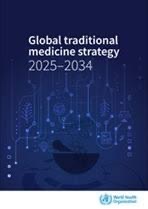
A defining milestone of 2025 was the formal adoption of the WHO Global Traditional Medicine Strategy 2025–2034 by the Seventy-eighth World Health Assembly. The strategy sets a clear, implementation-oriented agenda, centered on four pillars:
- Strengthening evidence
- Ensuring safety, quality, and regulation
- Integrating traditional, complementary and integrative medicine into health systems
- Optimizing cross-sectoral value (including sustainability, innovation, and digital ecosystems) (World Health Organization)
For Ayurveda, the importance of this strategy lies in its framing: traditional medicine is not to be treated as an “add-on,” but as a system that can contribute to universal health coverage (UHC) when supported by appropriate governance and evidence infrastructure. (World Health Organization)
2. From Philosophy to Policy Tools: ICD-11 and the Architecture of Legibility
Implementation begins with visibility in the “language” of health systems: classification, coding, and interoperable data.
In February 2025, WHO released the 2025 update to ICD-11, reinforcing ICD-11’s role as a global standard for diagnosis reporting and health data systems. (World Health Organization)
Alongside this, WHO reiterated that the Traditional Medicine Chapter in ICD-11 is designed for optional dual coding in morbidity data (for reporting, reimbursement, patient safety monitoring, and research), which supports health-system use without misapplying traditional medicine codes to mortality statistics. (World Health Organization)
India’s Ministry of AYUSH publicly positioned the ICD-11 update as a step enabling better data capture and evidence generation for Ayurveda, Siddha, and Unani in national and global health systems. (Press Information Bureau)
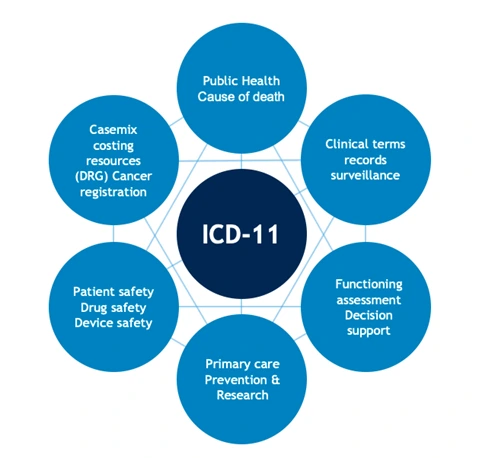
Source: WHO
Why this mattered in 2025:
Ayurveda’s global integration began shifting from “being known” to “being countable” in health system datasets, which is essential for policy design, outcomes monitoring, and long-term institutional adoption. (World Health Organization)
3. The New Delhi Summit: From Dialogue to Commitments
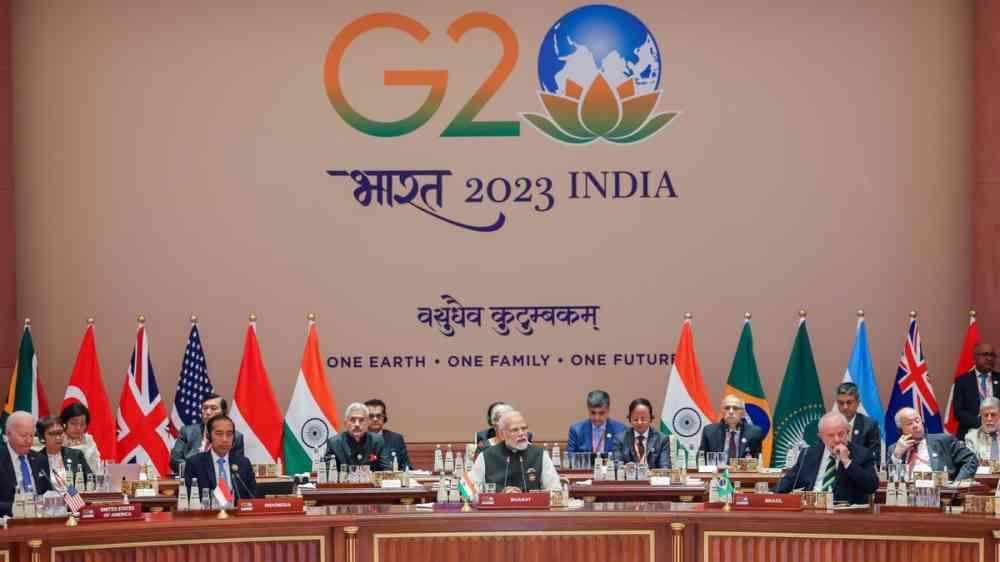
The 2nd WHO Global Summit on Traditional Medicine (New Delhi, December 2025) became the year’s most visible global governance event for traditional medicine. WHO’s official post-summit update noted broad participation and strong momentum toward implementation. (World Health Organization)
The Delhi Declaration
A major output of the summit was the Delhi Declaration on Traditional Medicine, which countries rallied behind. It emphasized practical commitments on:
- Evidence and research capacity
- Regulation, safety, and quality assurance
- Workforce and education
- Digital systems and knowledge infrastructure
- Sustainable and ethical growth of traditional medicine (tm-summit.org)
What changed after the Declaration:
Ayurveda’s global positioning increasingly became tied to measurable frameworks: implementation roadmaps, commitments, and governance principles rather than symbolic endorsements. (tm-summit.org)
4. Knowledge as Global Public Infrastructure: WHO’s Traditional Medicine Global Library
2025 also advanced global governance through knowledge infrastructure. WHO announced and launched the Traditional Medicine Global Library (TMGL) as a key initiative to improve access to credible evidence, policy resources, and knowledge assets across traditional medicine systems. (World Health Organization)
This matters for Ayurveda because global integration increasingly depends on shared repositories that reduce misinformation, enable research synthesis, and provide policymakers with structured resources for decision-making.
5. WHO Global Traditional Medicine Centre: The Institutional Anchor
Implementation also requires institutional capacity. The WHO’s Global Traditional Medicine Centre (GCTM) in Jamnagar, India (announced earlier, but increasingly central in 2025’s governance narrative) is positioned as a global hub for evidence building, data systems, and global cooperation in traditional medicine. (World Health Organization)
In 2025 discourse, GCTM’s role became clearer: not as a cultural center, but as a global technical institution supporting research standards, policy guidance, digital initiatives, and cross-country collaboration. (World Health Organization)
6. A Subtle but Important Shift: From Promotion to Safeguards
A major hallmark of 2025 governance discussions was restraint. WHO and global observers emphasized that integration must be evidence-based and safety-first. This was reinforced both by WHO’s official communication and by public debate around how traditional medicine should be positioned in mainstream systems. (World Health Organization)
This matters for Ayurveda: the global path forward is increasingly defined by regulatory clarity, quality assurance, and evidence frameworks that protect patients and preserve public trust.
What 2025 Achieved for Ayurveda
By the end of 2025, Ayurveda’s global policy status had materially advanced on three fronts:
- Strategy-level endorsement with implementation pillars via WHO’s 2025–2034 strategy (World Health Organization)
- Technical integration into health system data structures through ICD-11 dual coding guidance and national readiness efforts (World Health Organization)
- A global governance moment via the New Delhi summit and the Delhi Declaration, reinforcing commitments on evidence, safety, education, and digital knowledge infrastructure (tm-summit.org)
References:
- WHO: Global Traditional Medicine Strategy 2025–2034 (official publication page) (World Health Organization)
- WHO: Draft strategy document (WHA78) (WHO Apps)
- WHO: ICD-11 2025 update announcement (World Health Organization)
- WHO: Traditional Medicine chapter FAQ (dual coding, morbidity use) (World Health Organization)
- Government of India (PIB): ICD-11 update and ASU integration framing (Press Information Bureau)
- WHO: Summit outcome update (22 Dec 2025) (World Health Organization)
- Delhi Declaration (PDF): Outcome document of the 2nd Summit (tm-summit.org)
- Summit official site (resources and declaration) (tm-summit.org)
- UN India: Summit context and Delhi Declaration framing (The United Nations in India)
- WHO: GCTM (about page) (World Health Organization)